
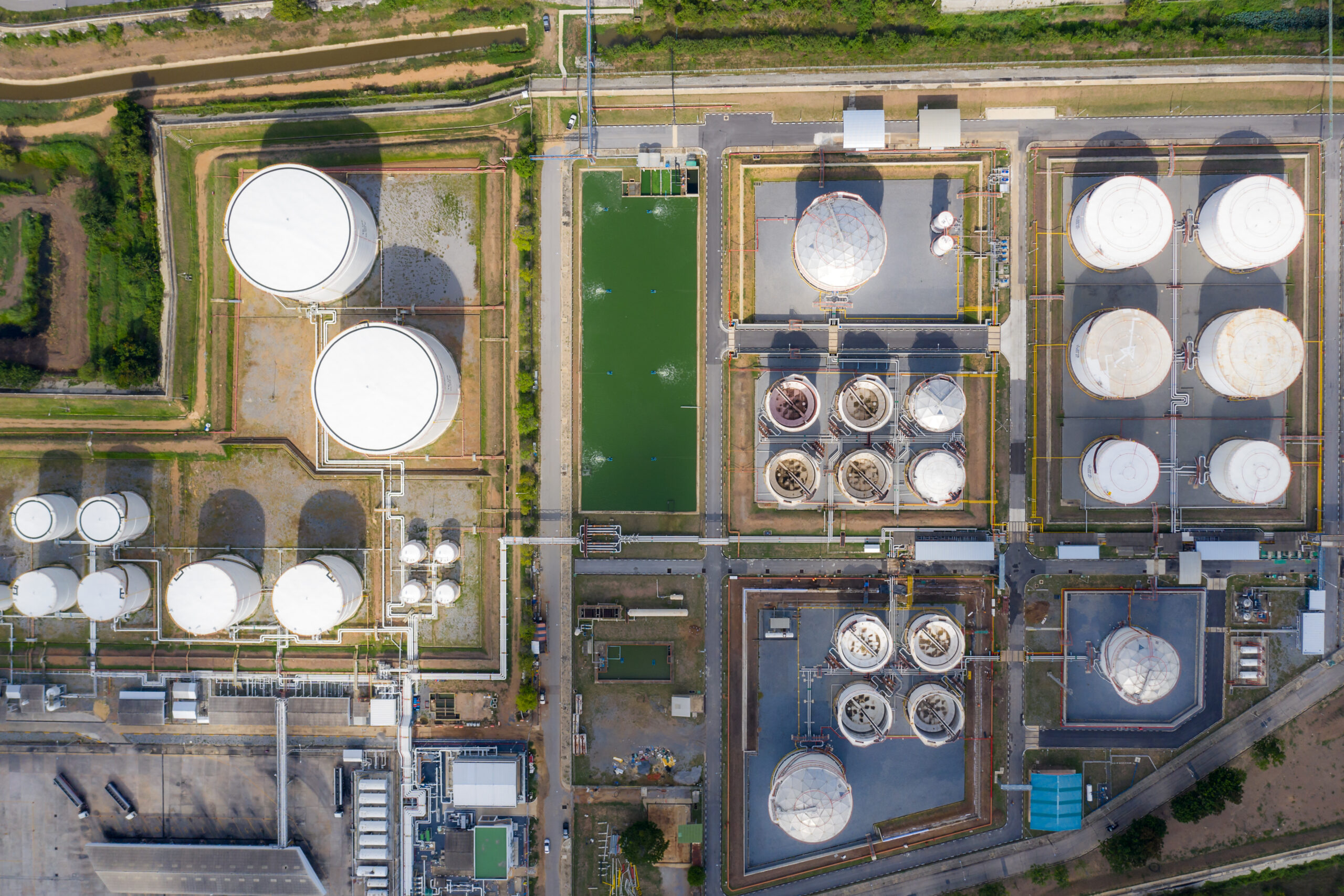
Vessels and Storage Tanks: Operator Training
Drums, vessels and tanks: their parts, purpose and safe operation.
Why it matters on the unit
Vessels and tanks hold the process. Operators monitor their levels, pressures and temperatures every shift, and many incidents start with an overfilled tank or an overpressured vessel.
Understanding the parts and purpose of each vessel helps operators read what the instruments are telling them and act before a limit is reached.
What Module 4 covers
- Drums, vessels and tanks
- Their parts and purpose
- Safe operation
How the module is built
- Graphic-driven
- Visual-first material, for better comprehension and recall than text-heavy manuals.
- Assessments
- Each module includes questions to confirm learners understand the content.
- Instructor guide
- A step-by-step road map for delivering the module, with activities and knowledge and skill checks.
- Built by experts
- Developed by PeopleCore trainers, former operators and engineers.
- Flexible delivery
- Self-study, classroom with your instructor, or facilitated by PeopleCore, virtually or on site.
Where it fits in the course
Module 4 is part of the equipment group of Basic Operator Training: the equipment operators run every shift. Also in this group: Valves, Heat Exchangers, Furnaces and Boilers, Pumps, Compressors, Electric Motors and Turbines.
Module 3: Valves
Valve types, how each one works and where it is used in the plant.
Previous moduleModule 5: Heat Exchangers
Exchanger types, how heat moves between streams, and operating considerations.
Next moduleAll 16 modules
The full Basic Operator Training course list, in five groups.
See the course list